Roof Leak or Condensation? How to Tell the Difference
A leak often follows rain and appears near one water route. Condensation is more likely across cold surfaces and during cold weather, but the patterns can overlap.
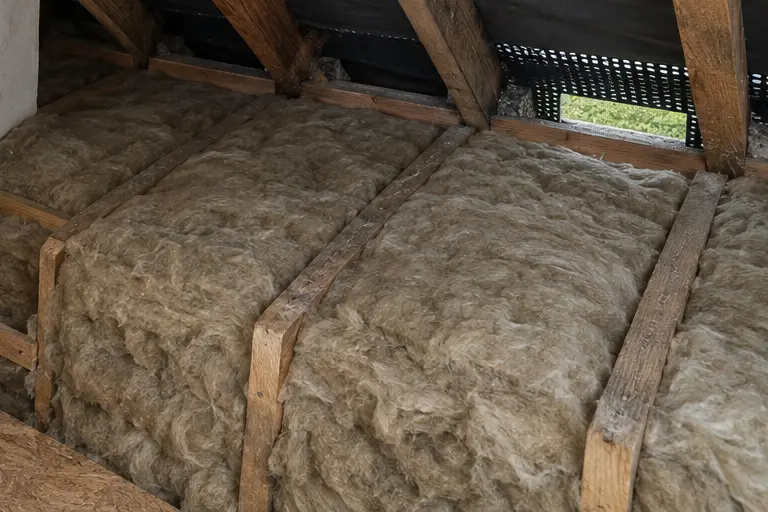
A leak often follows rain and appears near one water route. Condensation is more likely across cold surfaces and during cold weather, but the patterns can overlap.
Get help with roof leak detection ↗
Clues that point to rainwater
A mark that grows after certain wind or rain, or sits below a chimney, valley or damaged covering, may point to water entering from outside.
Clues that point to condensation
Moisture on many nail tips, mould across cold timbers or damp that is worse in cold still weather may be linked to warm moist air reaching the loft.
Why the two can look alike
A roof leak adds moisture to the loft and poor ventilation slows drying. A quick visual assumption can therefore be wrong.
A sensible inspection order
Compare timing, internal position, loft patterns, insulation at the eaves and the roof details above before deciding what work is needed.
Questions about this topic
Can roof photographs answer every question about leaks and condensation?
No. Clear photographs help, but hidden underlay, fixings, deck and water routes may still need close inspection.
Should I inspect leaks and condensation by climbing onto the roof?
No. Roof work is dangerous even when the check seems quick. Photograph leaks and condensation from ground level or a safe window and leave close access to trained people with the right equipment.
When should I request a written quote for leaks and condensation?
Ask for a written quote after leaks and condensation and the access needs have been assessed. It should set out the work, materials, exclusions and any likely extras.